
Choosing a Personal Trainer in Inner West Sydney
A good personal trainer in Inner West Sydney starts by assessing how you move, not by handing you a workout. They set goals with you, teach technique before intensity, plan around your injuries and weak spots, and stay involved as you progress. At Move Method, a Lilyfield studio, we build personal training around those four things, and this guide shows you how to check for them in any studio you visit.
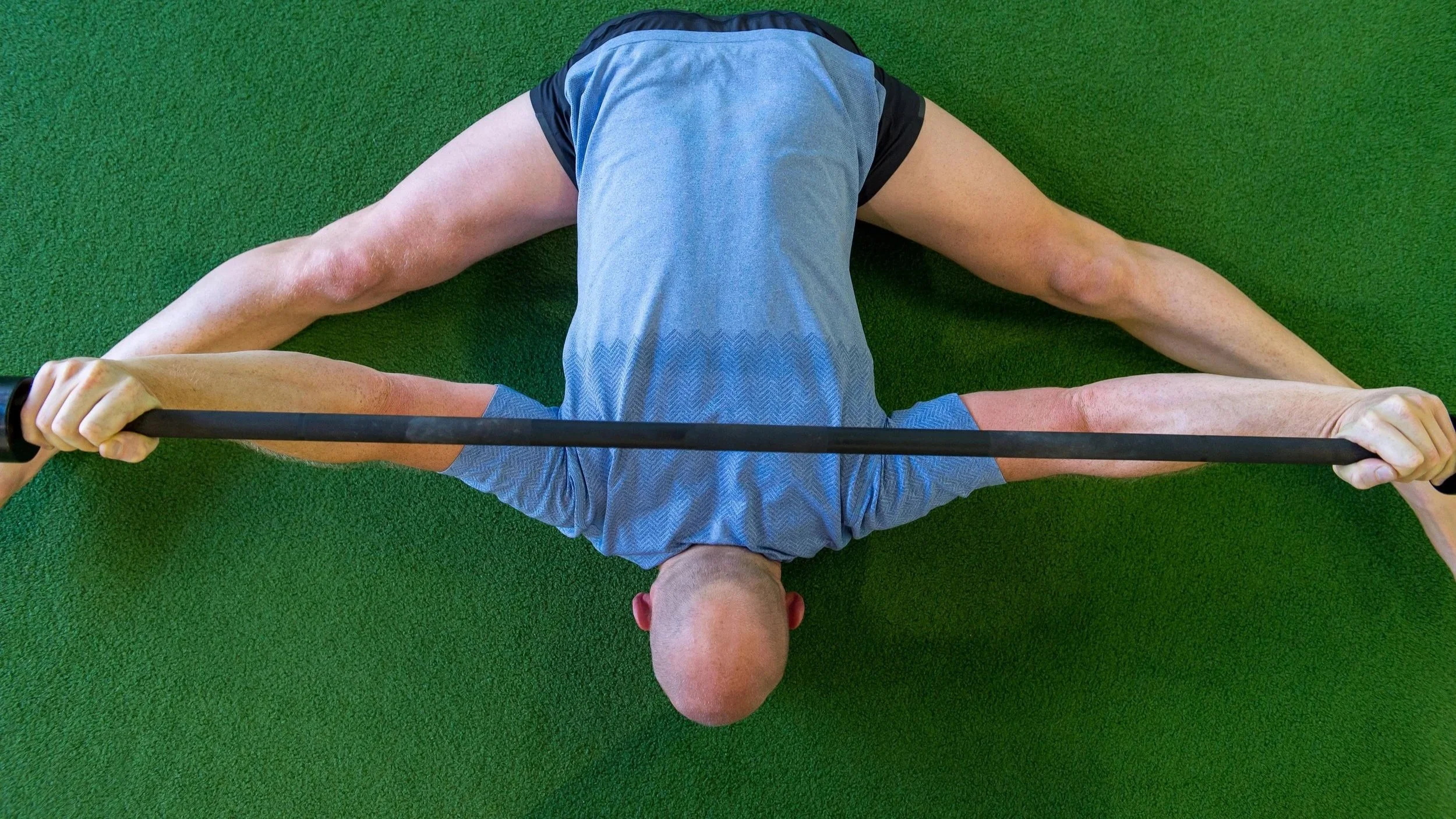
Why did I leave big gym chains to build my own studio?
I did not start out in fitness. I started as a chef in Newcastle, then moved to Sydney to refine my career in the kitchen. It did not take long to realise I wanted more from life than long hours over a stove.
I had been a competitive gymnast, so I was always chasing new challenges and new ways to move. That is what pointed me toward health and fitness. In my early 20s I finished my Personal Training studies and went to work in some of the biggest gym chains.
The big gyms gave me a solid foundation, and I am grateful for it. But I kept feeling that something was missing. I did not want to count reps on machines. I wanted to find out what the body is truly capable of.
That curiosity sent me into years of constant learning. Course after course, I added to my craft:
Gymnastics
Strength training
Animal Flow
ViPR
Movement-based training
Rehab
Put together, those became the foundation of Move Method. It is a space built to help people move better, feel stronger and gain confidence in their bodies.
Today I have 20 years of experience. I run my own studio in Sydney, and I also mentor the next generation of personal trainers. I tell you this story because it shapes how I think you should choose a trainer: look for someone who is curious about your body, not someone who only counts reps.
A personal trainer worth choosing treats your body as something to understand, not just something to work hard.
What should a personal trainer do in your very first session?
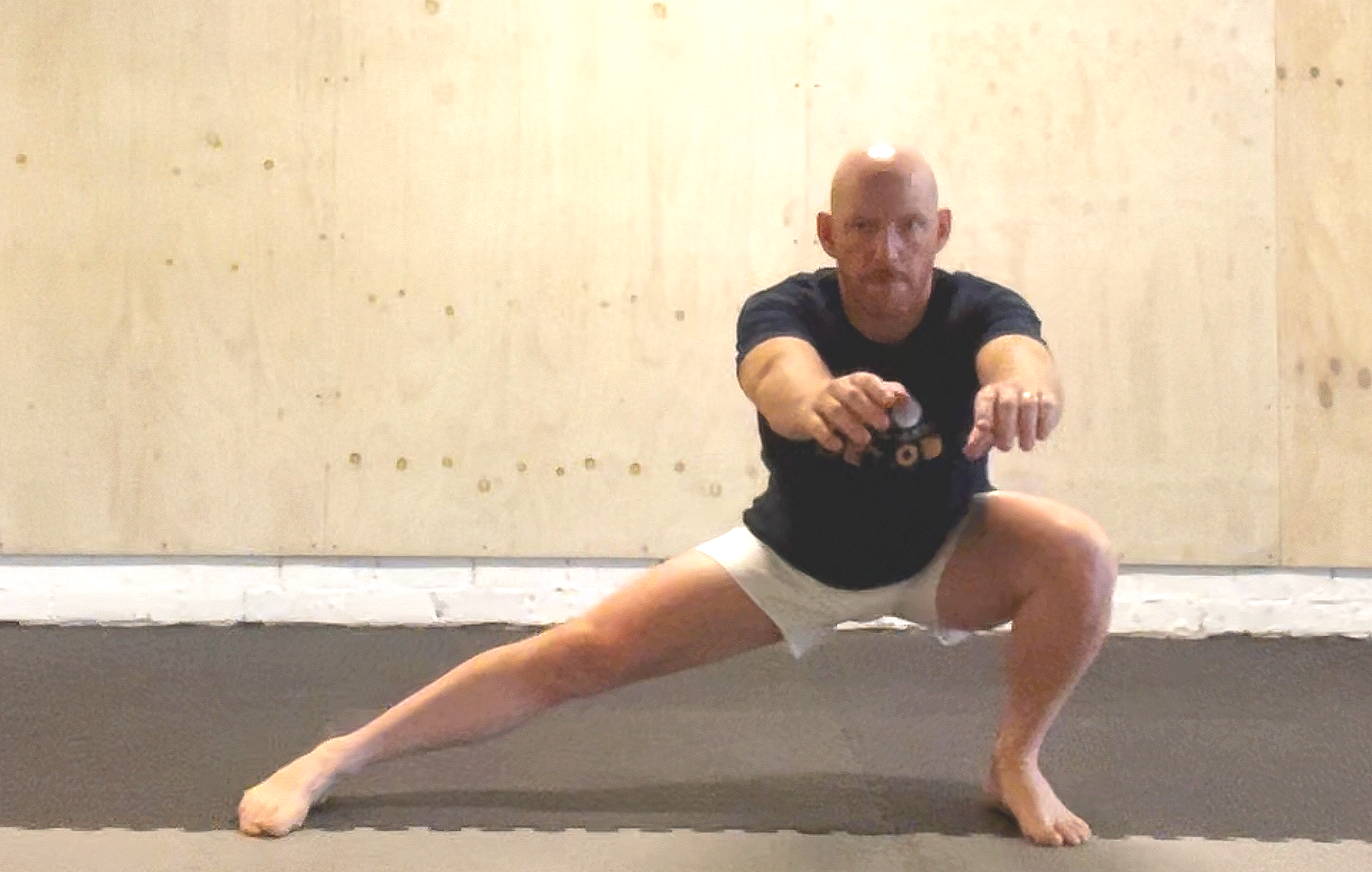
A first session should be a conversation and an assessment. If a trainer moves straight into a hard workout, they have skipped the part that makes the rest of your training safe and useful.
At Move Method, every membership begins with an initial Movement and Goal Setting consult. In that first step, we get to know each other and work through:
Your goals
Your day-to-day posture
Your gait
Your physical imbalances
Your nutrition
Each of these tells a coach something different, and none of them shows up in a headcount of how many push-ups you can do.
What the trainer looks at
Why it matters for your training
Goals
Your program is built around what you want, not a generic template
Day-to-day posture
Hours at a desk or on your feet shape how you move in the gym
Gait
The way you walk shows how your body handles load in everyday life
Physical imbalances
Weak or tight areas are where problems tend to start
Nutrition
Training and eating work together, so the plan should cover both
If a studio in the Inner West offers you none of this before your first workout, ask why. A trainer who cannot describe how you move will find it hard to explain why they picked your exercises.
The first session of personal training at Move Method is an assessment of goals, posture, gait, imbalances and nutrition, because a program is only as good as the information it starts from.
Does the trainer teach technique before adding intensity?
This is the question I would put near the top of your list. Technique is the part that keeps you training year after year, and it is the part people rush.
At Move Method, we call our entry point the Standards of Foundations. It introduces you to how we work and builds your skills and technique before you move on to other classes and skillsets. We guide your body in learning how to isolate, integrate and improvise. Those three words describe a progression:
Isolate. Learn a single movement or joint action on its own.
Integrate. Combine that action with the rest of the body.
Improvise. Apply it in new situations, so it works outside a rehearsed routine.
After the initial assessment, we spend the next four weeks on foundation training. In that time we build the fundamentals, learn the techniques and work on any imbalances the assessment picked up.
I like this order because it protects you. A person who has spent four weeks learning how to move is much better placed to add load than a person who has been told to lift and hoped for the best.
A trainer who takes technique seriously will happily tell you what they are teaching you in the first weeks and why. If the answer is "we'll just get going," keep asking questions.
Good personal training teaches you how to move first, then asks you to move harder.
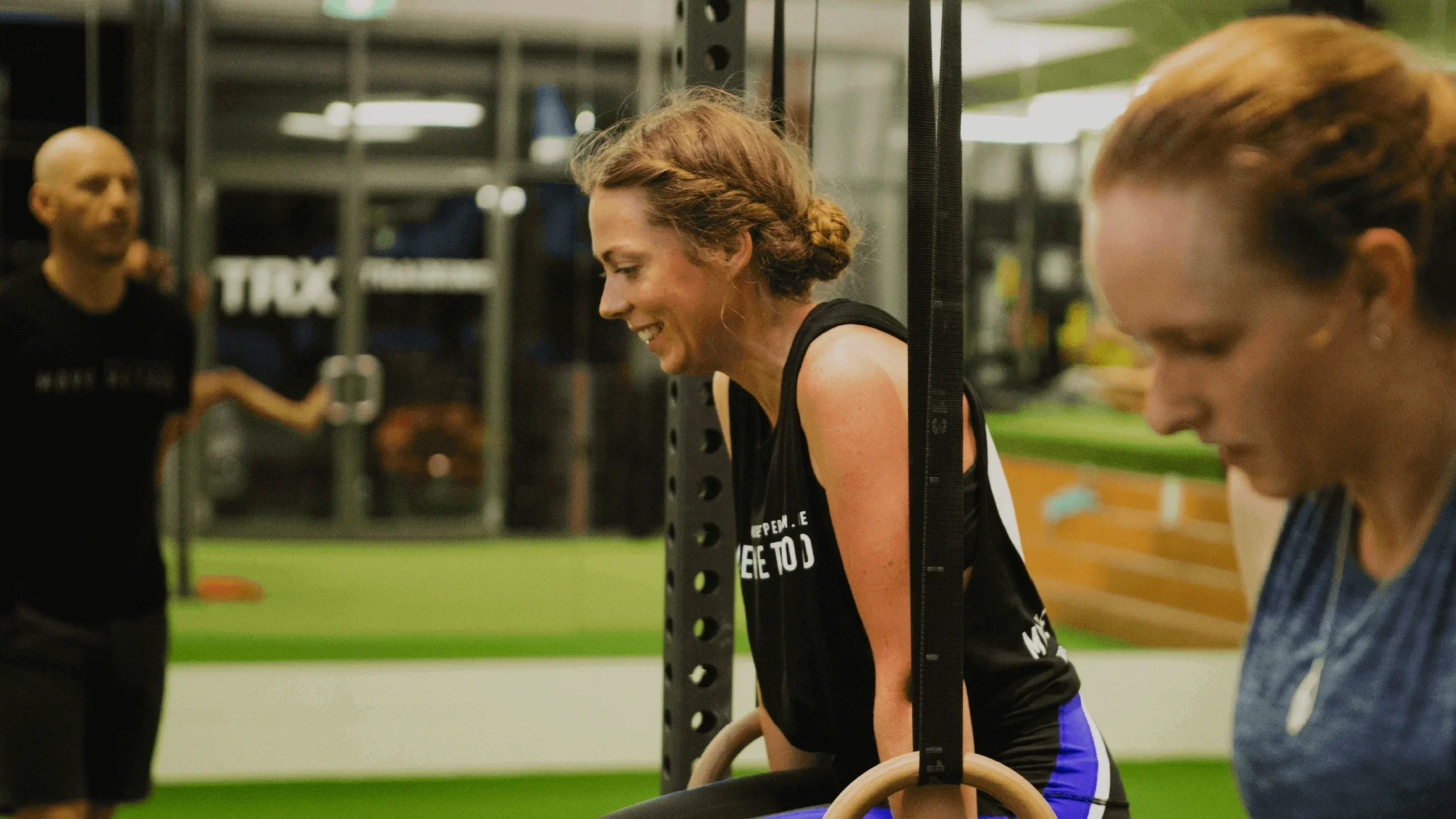
How does a good trainer deal with injury, pain and weak spots?
Many people go looking for a trainer because something hurts, or because something used to hurt and they do not want it back. So it is fair to ask how a trainer handles that.
Injury prevention is something we take seriously at Move Method. We want you to be happy, healthy and ready to train every day. For that reason we spend time on rehab and prehab exercises that are specific to you and based around your weaknesses.
Two things matter here. The exercises are chosen for you, not copied from a poster. And they are built around weaknesses, so the work targets what actually needs attention.
I also work alongside chiropractors, physiotherapists and other allied health professionals to support clients of all ages and abilities. A trainer who is comfortable working with those professionals is usually a trainer who knows where their own role starts and stops.
My colleague Kieran Geeves, our PT and Boxing Coach, puts the reason well. He became a trainer because he knows what it is like to feel out of shape, move with pain and not know where to start. Over six and a half years he has helped hundreds of people move pain-free. That experience of starting from a hard place is what makes him patient with people who arrive unsure.
If you want a taste of how we approach common trouble spots, we have written about alleviating shoulder pain and building stronger shoulders, and we have a page on how to fix your back.
A trainer who plans rehab and prehab around your own weaknesses is protecting your ability to keep training, which matters more than any single session.
Should personal training include nutrition and mindset?
Some studios only sell you the workout. We think that leaves out two-thirds of the picture.
Move Method shapes its philosophy around three components of holistic living:
Movement
Nutrition
Mindset
We go beyond exercise. We take your lifestyle, your environment and your nutrition into account to build a holistic approach to your health and well-being. Our team is there to guide, educate and empower you so you can take control of your own fitness journey.
In practical terms, the nutrition side shows up in your membership as personalised nutrition coaching. Our coaches give practical advice and strategies to help you make healthy food choices and build sustainable eating habits.
If you are comparing studios, here is a simple way to compare what each one covers:
Question to ask
What a fuller answer sounds like
Do you look at how I eat?
Nutrition is part of the first assessment and ongoing coaching
Do you consider my lifestyle?
The plan reflects your routine and environment, not just gym time
Do you teach me, or just tell me what to do?
The coach explains, educates and hands you the skills to continue
Mindset is harder to put in a table. For me, it comes down to confidence: that you can trust your body, that you enjoy training, and that you look forward to the next session. Kieran describes it as finding a way to train that you actually look forward to. I agree with him completely.
Personal training at Move Method covers movement, nutrition and mindset together, because progress in one area is easily undone by neglect in another.
Personal training or small group classes: which one suits you?
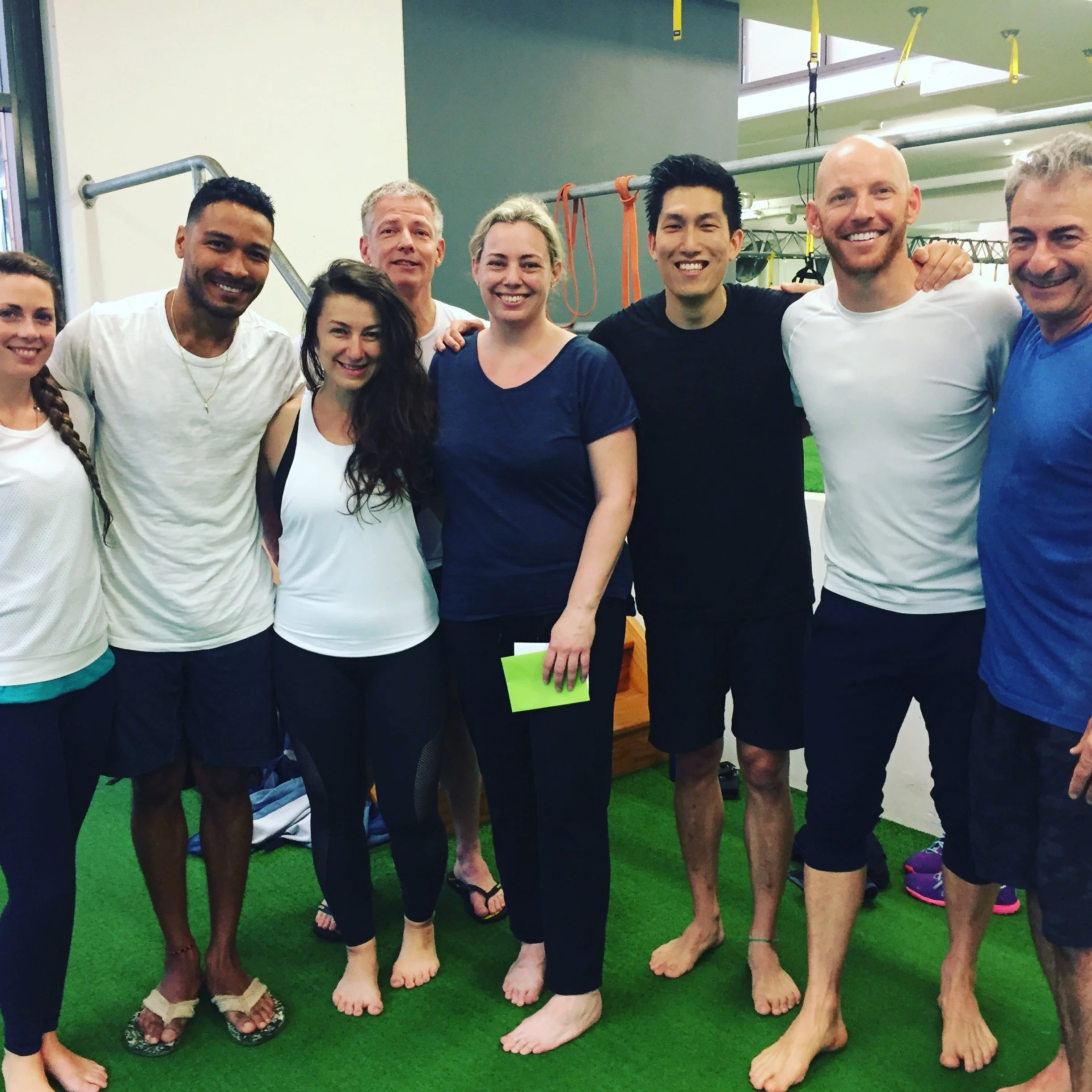
You do not have to choose only one. Move Method offers both, and many members use a mix.
Here is how the two compare in our studio:
Personal training
Small group classes
Who it suits
People who want a program built around them
People who like company and shared motivation
Focus
Your goals, your imbalances, your pace
Skills and strength worked on with like-minded people
Support
One-to-one coaching from the trainer
Coaching within a group, plus the community
Membership
Combination membership
Group Classes Membership (2 classes per week, or unlimited)
Our Combination Membership blends group classes and personal training. It gives you the balance between camaraderie and personalised coaching. Every membership, whichever you pick, includes the initial Movement and Goal Setting consult, nutrition coaching and ongoing movement support, where trainers monitor your progress, make adjustments and give guidance when you need it.
You can see all of this on our memberships page, and our timetable shows when each class runs.
At Move Method, personal training and small group classes work as partners, and the Combination Membership lets you use both.
What kinds of classes can a Lilyfield studio offer?
Since the class list tells you a lot about a studio's thinking, here is ours. You can read more on the classes page.
Class
What it involves
Move
Builds strength in stressful positions the body needs to adapt to and control. Raises your heart rate and is fun along the way
Strength & Move
Built around your own program, so you can work on your imbalances instead of repeating the same workout
Mobility
Builds strength at the end ranges of your joints while improving flexibility and control, to support injury prevention and resilience
Sprints
Outdoors on Saturday mornings. Teaches the fundamentals of running and builds cardio fitness with HIIT. First-time runners are welcome
Build (Upper and Lower Body)
The fundamentals of strength, so you can keep the fundamental movements as you age
Adult Boxing
Coached by Kieran. Focuses on technique, footwork, pad work and partner drills
Skills
Three levels: Beginner Skills, Gymnastics Skills and Hand Balancing Skills
Kids Boxing
Coached by Kieran, for kids aged 8 to 14, Thursday at 4pm, building coordination and confidence
Notice how many of these are about learning a skill rather than burning through a set number of calories. That is deliberate. Our philosophy sits under a simple line: movement is key, exercise is optional.
If you are curious about gymnastics-based work, our page on gymnastics rings strength training is a good place to look. For something you can do at home, our daily 10 minute mobility page is a short starting point.
A studio's class list shows what it values, and Move Method's list values skill, control and long-term strength.
What does a step-by-step path look like once you join?
When you start at Move Method, you begin with a planned orientation program rather than a random first week. Six stages take you from assessment to a well-rounded practice:
Initial assessment. We get to know each other and work on goal setting, your day-to-day posture, gait, physical imbalances and nutrition.
Foundation training. Over four weeks we build the fundamentals, learn the techniques and work on any imbalances we found.
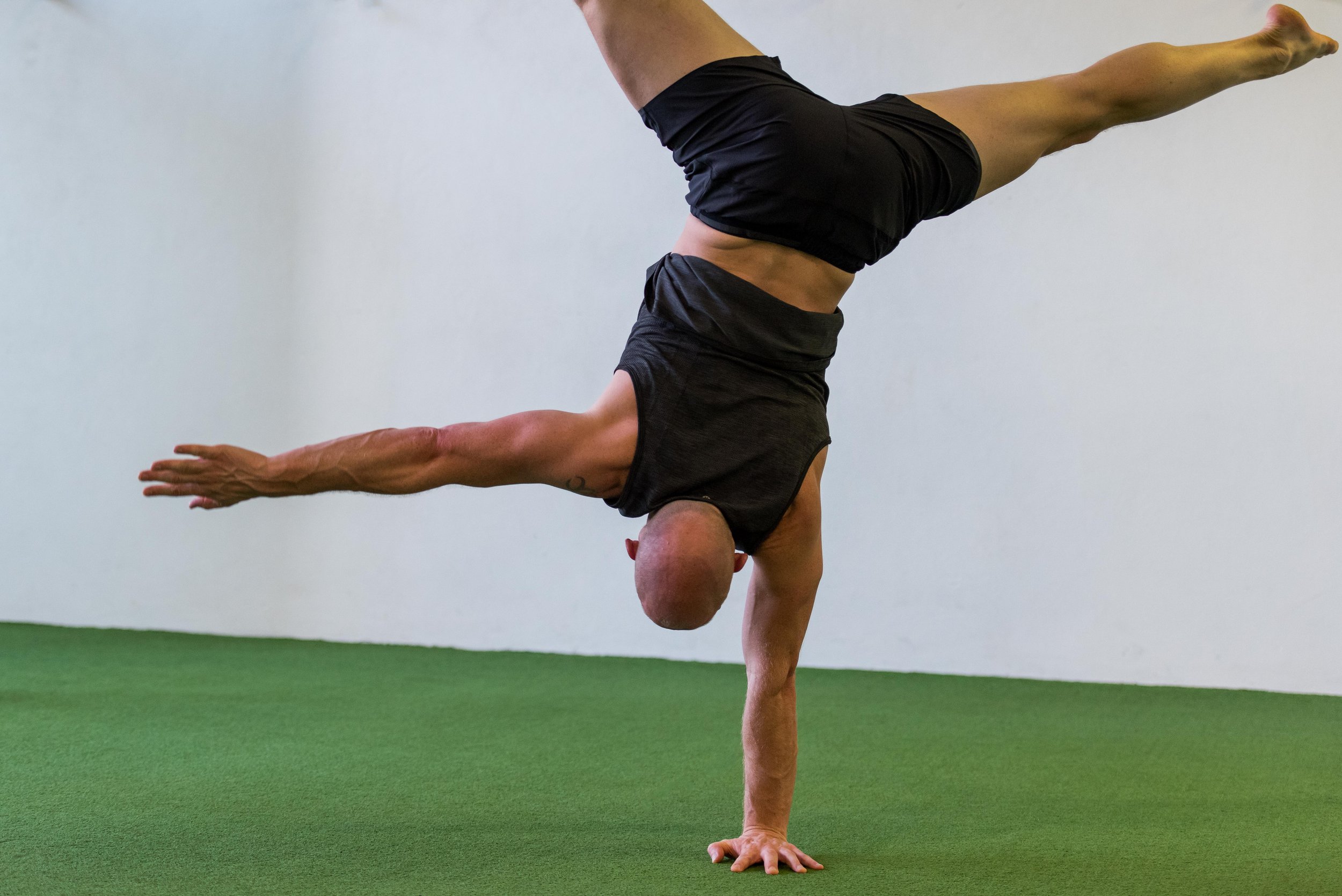
Skilful strength. Once the foundation is solid, we start on the fun stuff: gymnastics, bodyweight exercises and hand balancing.
Weightlifting. We build powerlifting strength, using powerful movements with anything heavy we can find in the gym.
Rehab and prehab. We work on injury prevention exercises specific to you, based around your weaknesses, so you are ready to train each day.
Mobility. Joint care and flexibility keep you limber and active day to day and over the long term.
You can use this list as a yardstick whether or not you ever visit us. Ask any Inner West trainer to describe the first few months. If they can walk you through a clear order of events and explain why each step follows the last, they have thought about your progress. If they cannot, they may be improvising session by session.
A clear sequence from assessment through foundations to strength shows that a trainer has a plan for you, not just a workout for today.
Who will actually be coaching you?
The coach matters as much as the method. Ask who will train you, how long they have been doing it and what they have done for people like you.
At Move Method, there are two of us on the coaching page.
Alan Peacock, Owner and Head Coach. A former chef and competitive gymnast, with Personal Training studies completed in my early 20s and 20 years of experience. My training blends gymnastics, strength training, Animal Flow, ViPR, movement-based training and rehab. I work alongside chiropractors, physiotherapists and allied health professionals, and I mentor the next generation of personal trainers.
Kieran Geeves, PT and Boxing Coach. Six and a half years of coaching, with a focus on helping people move pain-free. Kieran has helped people step into the ring for their first boxing fight and build bodies that can handle what life throws at them, from running around with the kids to hiking with friends. His coaching combines boxing, strength, mobility, gymnastics rings and handstand training. He does not believe in quick fixes. He believes in building skills, understanding your body and finding a way to train that you look forward to.
You can meet the team on our coaches page. When you visit any studio, meet the person who will train you, not only the person at the front desk.
Choose a trainer whose background you can describe back to a friend, and who can tell you plainly what they do for their clients.
How do you check a trainer before you commit?
Here is a practical checklist you can carry into any Inner West studio. It mirrors what we do at Move Method, so you can use it to hold us to the same standard.
Ask what happens in the first session. Look for a proper consult covering goals, posture, gait, imbalances and nutrition.
Ask how long they spend on technique. Look for a clear foundation period before heavy or fast work.
Ask how they plan around injuries. Look for exercises specific to your weaknesses, and a willingness to work with physiotherapists or chiropractors.
Ask about nutrition and lifestyle. Look for coaching that reflects how you actually live.
Ask what support continues after the start. Look for progress monitoring and adjustments over time.
Ask to see the timetable and the classes. Look for options that fit your week and your interests.
Meet the coach. Look for someone who explains things clearly and listens.
If you hear this
It usually means
"We'll build a program around you"
Ask how they will find out what you need
"We'll start with an assessment"
A good sign, if they can name what it covers
"We'll get you lifting straight away"
Ask what happens to technique and imbalances
"You can bring your physio's notes"
The trainer values team work
Do not feel shy about asking. A good trainer welcomes these questions, because the answers show how seriously they take the job.
Where can you find Move Method, and how do you start?
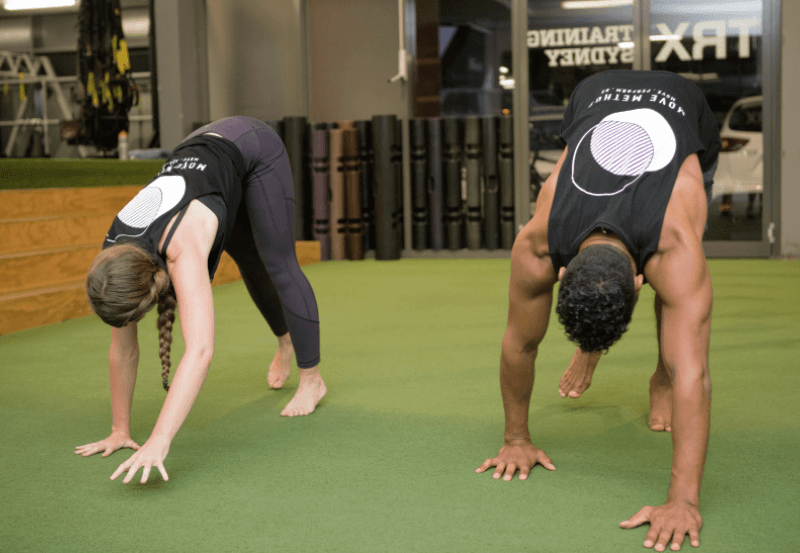
Move Method is at 503 Balmain Road, Lilyfield NSW 2040, in Sydney's Inner West. We describe ourselves as a Lilyfield fitness community offering group classes and personal training focused on health, well-being and connection.
Our approach is captured in one line: we help you move better, reduce pain and build lasting strength and health through a progressive approach to fitness, movement and nutrition.
If you would like to see us in action first, our videos page and YouTube channel show the kind of coaching we do, and you can watch our studio welcome video. You can also follow us on Instagram and Facebook. To read what a first visit is like from a client's side, see what to expect at Move Method as a client.
To ask about classes and memberships, contact me directly:
Phone: 0404 477 088
Email: alan@movemethod.com.au
Website: movemethod.com.au/contact
The simplest way to choose a personal trainer is to talk to them, so start with a phone call or an enquiry to Move Method.
Key takeaways
A good personal trainer in Inner West Sydney begins with an assessment of your goals, posture, gait, imbalances and nutrition.
Technique comes first. Move Method uses four weeks of foundation training before adding more advanced work.
Rehab and prehab should be built around your own weaknesses, ideally with support from allied health professionals.
Movement, nutrition and mindset belong together in one plan.
Personal training and small group classes can work side by side through a Combination Membership.
Meet your coach, ask the questions in the checklist above, and choose the person you trust.
Frequently asked questions
What is the difference between personal training and a group class at Move Method?
Personal training is built around your own goals and imbalances, with one-to-one coaching. Group classes let you train with like-minded people and share the motivation. The Combination Membership at Move Method includes both.
Do I need experience to start personal training at Move Method?
No. Move Method welcomes people at any fitness level or with any previous experience. The orientation program begins with an initial assessment and four weeks of foundation training, and the Sprints class is open to people who have never run before.
How does Move Method handle injuries?
We take injury prevention seriously. We work on rehab and prehab exercises specific to you, based around your weaknesses. I also work alongside chiropractors, physiotherapists and allied health professionals.
Does Move Method offer nutrition advice?
Yes. Every membership includes nutrition coaching, with practical advice and strategies for healthy food choices and sustainable eating habits.
How do I get in touch with Move Method?
Call Alan Peacock on 0404 477 088, email alan@movemethod.com.au, or use the contact page. The studio is at 503 Balmain Road, Lilyfield NSW 2040.
About the author
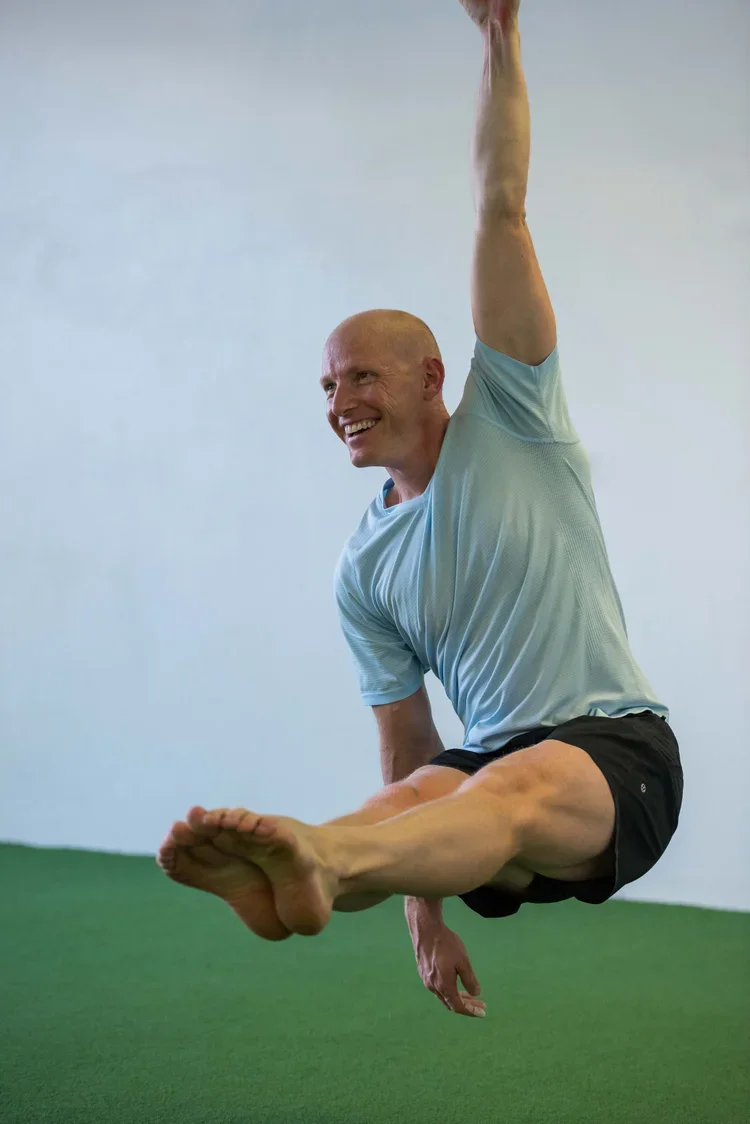
Alan Peacock is the Owner and Head Coach of Move Method, a Lilyfield fitness community offering group classes and personal training. A former chef and competitive gymnast, Alan completed his Personal Training studies in his early 20s, worked in some of the biggest gym chains, and has 20 years of experience blending gymnastics, strength training, Animal Flow, ViPR, movement-based training and rehab. He works alongside chiropractors, physiotherapists and allied health professionals, and mentors the next generation of personal trainers.